Guide
Basalt vs travertine: which suits your project?
Updated
Basalt and travertine are two of the most requested natural stones in Saudi Arabia, yet they differ in look, character and where they perform best. This guide explains the difference simply, then shows what we actually stock of each.
What is basalt?
Basalt is a volcanic stone formed as lava cools. It ranges from charcoal to dark grey, with a fine, even grain. It is dense and hard, and gives a calm, modern look.
What is travertine?
Travertine is a limestone formed around mineral springs. Its colours are warm — yellow, beige and silver — and its surface carries natural veins and small pores that give it a classic character; how visible they are depends on the finish.
How they look
- Basalt: even dark colour and clean lines; it shines in modern, minimal designs.
- Travertine: warm light tones and varied natural texture; it suits classic, Mediterranean and garden settings.
No two pieces of natural stone are identical — that is part of its beauty — so ask for recent photos of the batch before a large order.
Where each one works
- Basalt: modern facades, outdoor floors and paths, stairs, kerbs and paving edges.
- Travertine: warm-toned facades, outdoor floor sets, pool surrounds and interior walls.
Sun and heat on open areas
Dark stones absorb more sun than light ones. Where people walk barefoot in the open — around a pool, for example — light travertine is usually more comfortable underfoot than dark basalt. On facades and driveways this hardly matters.
What we stock of each
This comparison is read straight from our current catalogue and updates itself as products are added:
| Basalt | Travertine | |
|---|---|---|
| Colours | Charcoal to dark grey | Yellow, beige, silver |
| Tile finishes | Hammered, Brushed, Honed, Polished, Waterfall | Polished, Honed, Waterfall |
| Thicknesses | 2 cm, 3 cm, 5 cm, 6 cm, 8 cm, 10 cm, 15 cm | 2 cm, 3 cm |
| Tile sizes | 60×30 cm, 60×60 cm, 120×60 cm | 60×30 cm |
| Product types | Decorative Piece, Tumbled Set, Tiles, Split-Face Wall Strips, 3D Wall Cladding, Stone Blocks, Stepping Stones, Wheel Stops, Kerb Stone, Vessel Sink, Crazy Paving, Slabs, Custom Cut | Decorative Piece, Crazy-Pattern Set, Sharp-Edge Set, Tumbled Set, Tiles, Split-Face Wall Strips, 3D Wall Cladding, Stone Blocks, Stepping Stones |
| Products in our catalogue | 37 | 40 |
Can you combine them?
Yes — it is one of the best pairings: dark basalt for frames, steps and edges, light travertine for the large surfaces. The contrast gives a facade or garden real depth. See the full basalt and travertine ranges.
Basalt and travertine tiles in the catalogue
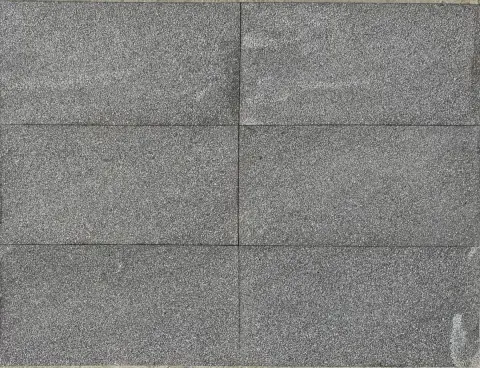
Basalt Tiles 60*30 cm
4 items
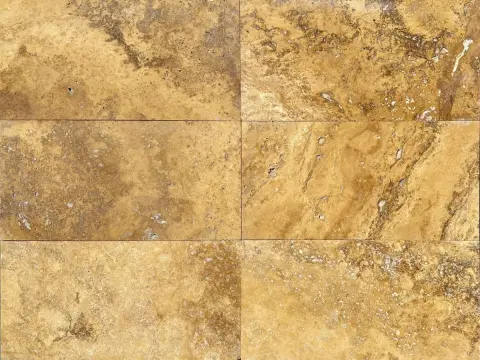
Yellow Travertine Tiles 60*30 cm
4 items
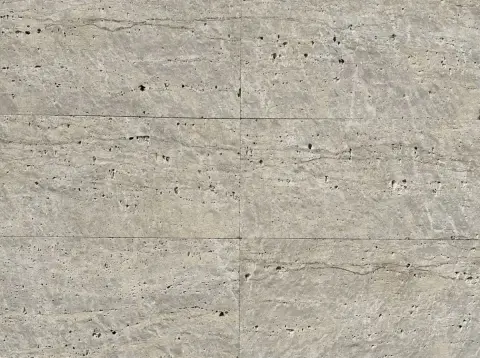
Silver Travertine Tiles 60*30 cm
TR2A2PO
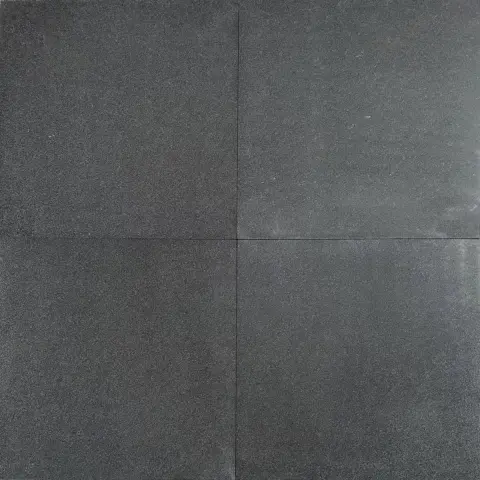
Basalt Tiles 60*60 cm
2 items
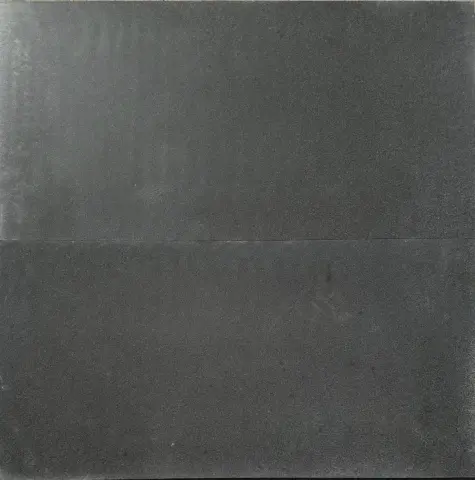
Basalt Tiles 120*60 cm
2 items
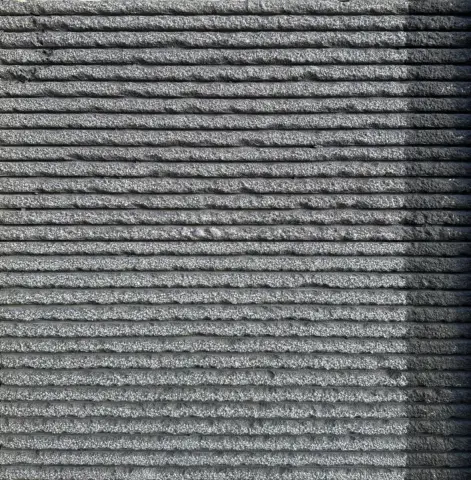
Waterfall Basalt Tiles 60*30 cm (BA_0WT)
BA_0WT
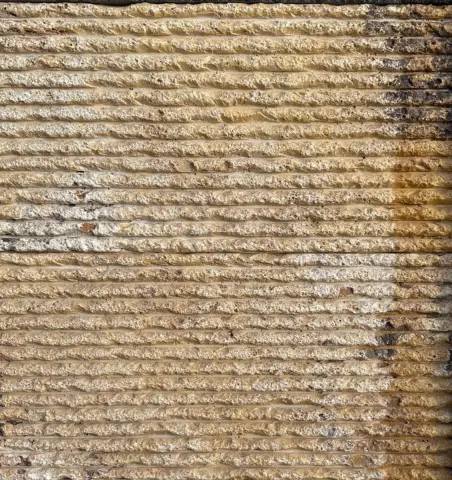
Waterfall Yellow Travertine Tiles 60*30 cm (TR0A3WT)
TR0A3WT
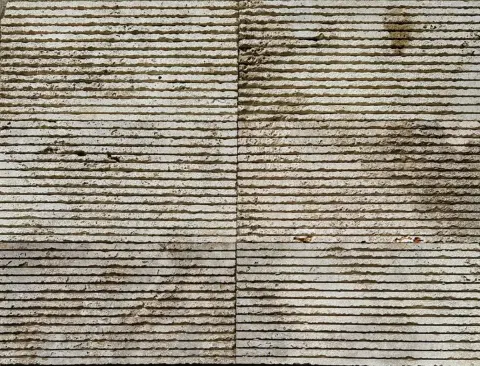
Waterfall Beige Travertine Tiles 60*30 cm (TR1A3WT)
TR1A3WT
Frequently asked questions
Which is stronger, basalt or travertine?
Basalt is naturally denser and harder, being volcanic; travertine is a limestone with natural pores. Both work for floors and facades when the right thickness and finish are chosen.
Which is better around a pool?
Light travertine in a non-glossy finish (such as tumbled or honed) is the most common choice around pools because it stays more comfortable underfoot in the sun. Basalt in a textured finish also works well for edges and paths.
Is travertine colour consistent?
Travertine is natural, so the shade varies slightly between pieces and batches. That is normal; ask for photos of the batch in stock before ordering.